
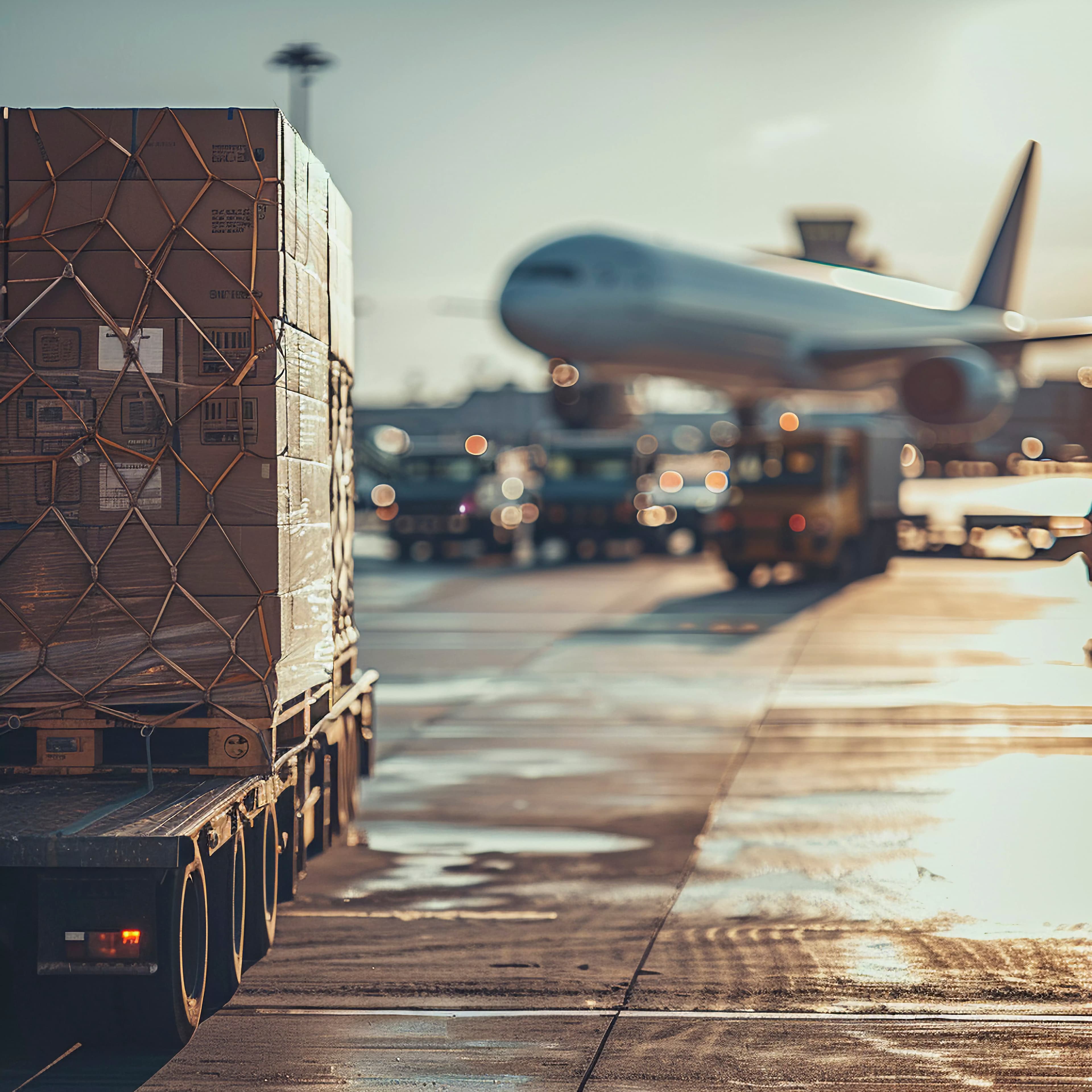
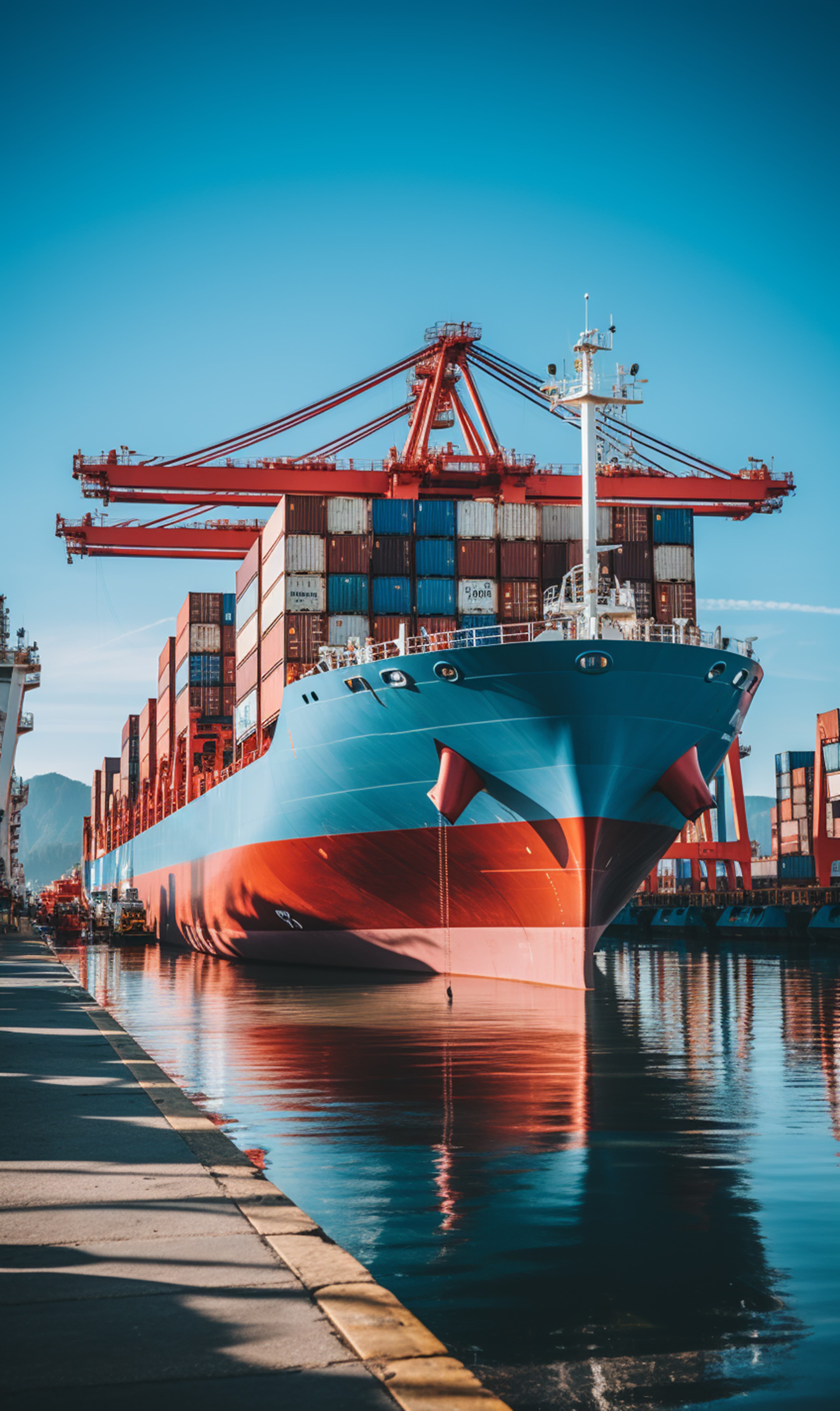
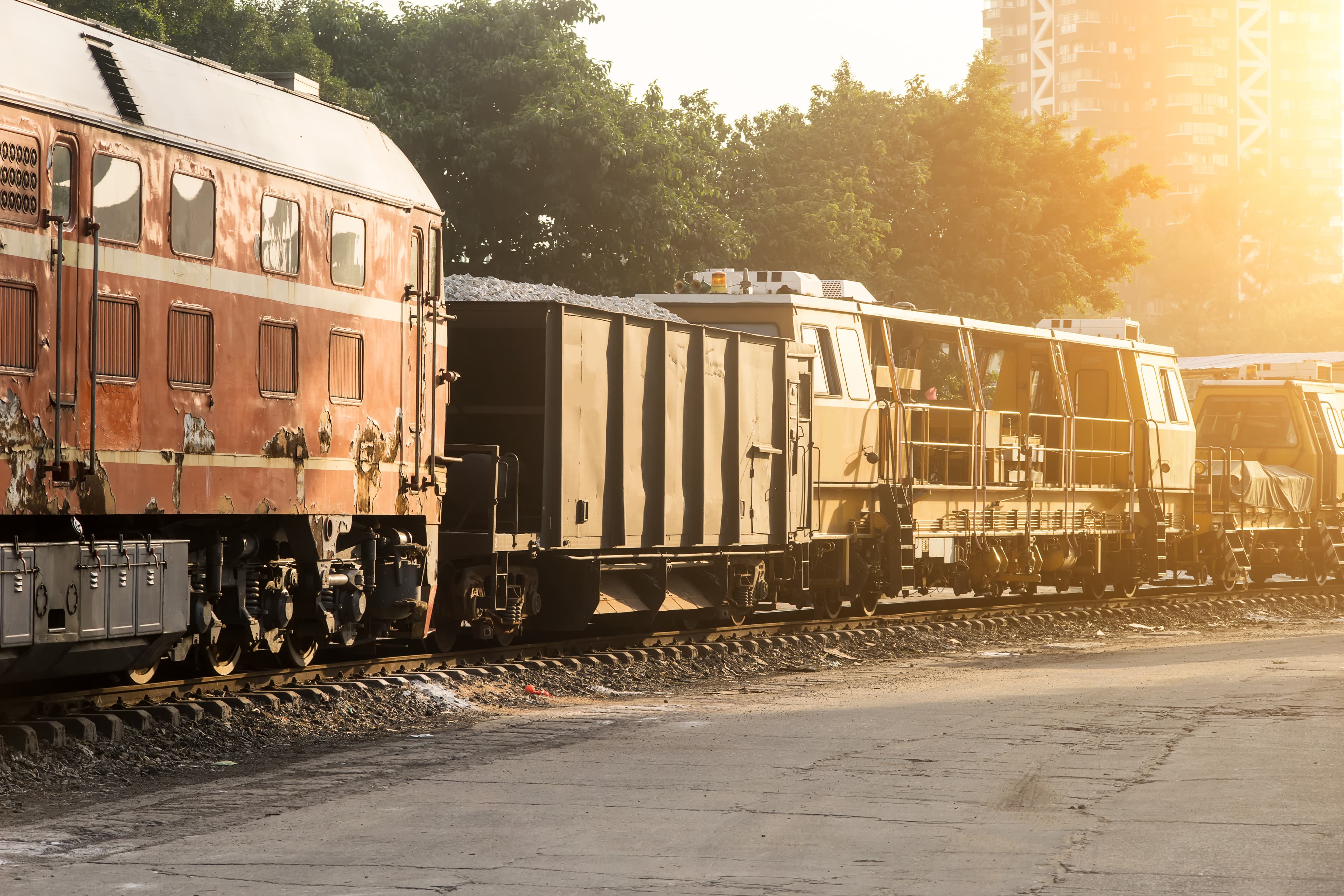


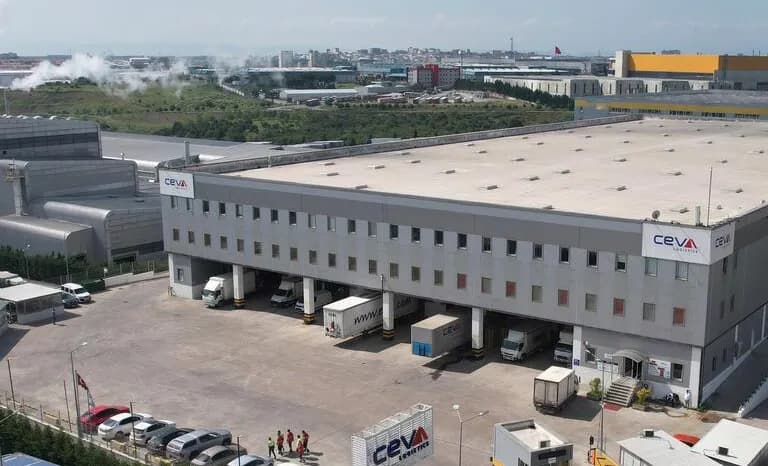
Stronger hub coordination helps reduce avoidable transfer delays
Better staging, clearer dispatch routines, and tighter status checks help freight move through busy handoff points with more consistency.

From first pickup to final confirmation, we keep freight moving through planned routes, careful handling, timely updates, and support that stays close to the shipment.
Atlas Port Global brings transport, storage, clearance guidance, and tracking into a single service flow so your team can move cargo with fewer delays and clearer accountability.
Atlas Port Global is built for shipments where timing, visibility, and careful handoffs matter. We keep the plan clear, monitor the movement, and respond quickly when a shipment needs attention.
Tell us what is moving, where it is going, and when it needs to arrive. We match the cargo with a practical service plan.
We review pickup notes, delivery instructions, customs needs, and handling requirements before preventable issues slow the shipment down.
We provide tracking updates, support responses, and delivery confirmation so you know where the shipment stands.
We support teams that need cargo to arrive on time, with fewer surprises, clearer communication, and careful handling across each stage.
Inbound and outbound freight programs that help protect production schedules, parts availability, and site continuity.
Flexible pickup, fulfillment, and delivery support for daily order volume, seasonal demand, and customer-facing deadlines.
Careful handling for regulated, urgent, and temperature-aware shipments where documentation and timing matter.
Replenishment support that keeps high-turn goods moving across stores, distributors, and regional markets.
Structured freight support for organizations that need consistent execution, reporting, and accountability.
Secure movement for equipment, components, and finished devices traveling through domestic and cross-border lanes.
Better staging, clearer dispatch routines, and tighter status checks help freight move through busy handoff points with more consistency.
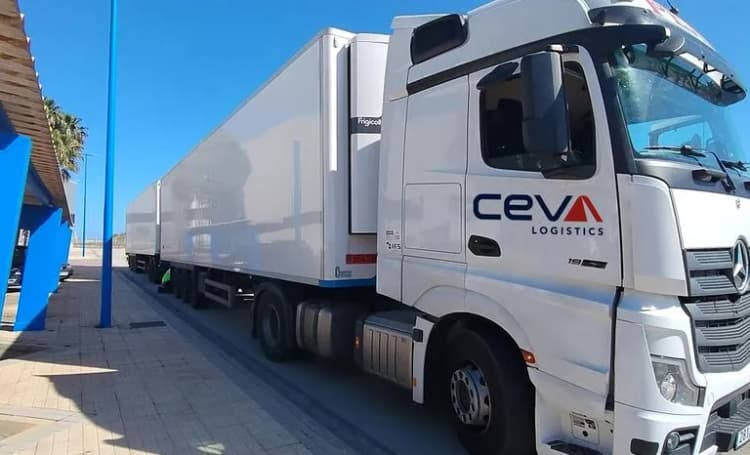
Better route selection helps connect long-haul transport, storage, and final-mile dispatch with fewer missed handoffs.
These examples show the kind of outcomes shippers care about: fewer service failures, clearer visibility, and better control of cost and timing.
Fulfillment timing and final-mile coordination were tightened so higher order counts could move with fewer preventable misses.
Lane planning and cross-dock support improved replenishment accuracy while preserving capacity for demand spikes.
Dedicated handling, cleaner documentation, and stricter route checks helped protect shipment integrity on critical moves.
Freight does not move well on assumptions. The best results come from clear plans, visible milestones, and a support team that responds before small issues become costly delays.